

Western WA Native American Education Consortium
EVERY NATIVE STUDENT SUCCESSFUL

Founded in 1974, the Western WA Native American Education Consortium/WWNAEC is made up of a group of public school educators in Western Washington who work with Native American students. Each of our individual programs are funded through the federal Office of Indian Education Title VI program.
WWNAEC meets every other month during the school year at various sites within our region and we hold a two-day conference in late February.
Who We Are
WWNAEC Conference 2026
Rooted & Rising: Restoring Balance Through Land, Culture & Traditional Teachings
Thursday, February 2/26 & Friday, 2/27
Emerald Queen Casino Ballroom Fife
Join us in person on Thursday, 2/26 and Friday, 2/27 at the Emerald Queen Casino Fife Events Center for the Western Washington Native American Educators Conference! This event is a fantastic chance to connect, learn, and share ideas with fellow educators passionate about Native American culture and education. Don’t miss out on this awesome opportunity to grow and collaborate in a welcoming environment. Your conference includes admission on Feb 26 & 27, breakfast, lunch, conference materials for both days, and WWNAEC membership for one year!
STAY AT THE EQC
Check-in date: February 25thCheck-out date: February 27th# of rooms: 20Room rate: $124 plus tax per nightBooking ID #: 14528Phone #: (253) 922-2000Cut-off date: February 11th

Keynote Speakers
Day One • Valerie Segrest
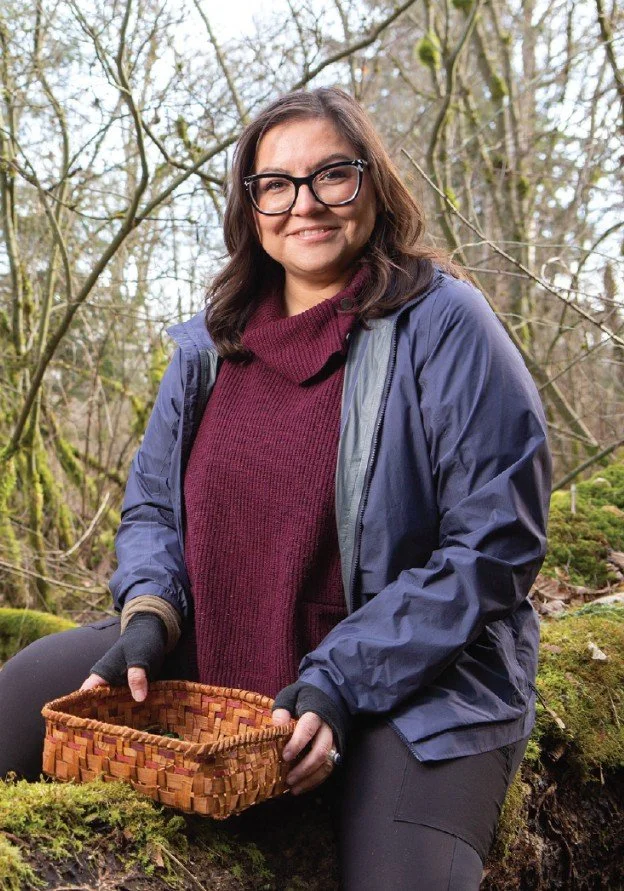
Valerie Segrest is a native nutrition educator who specializes in local and traditional foods. An enrolled member of the Muckleshoot Indian Tribe, she serves her community as the coordinator of the Muckleshoot Food Sovereignty Project and works for the Northwest Indian College’s Traditional Plants Program. Valerie has a BS in Nutrition, and a Masters in Environment and Community. A past Fellow for the Institute of Agriculture and Food Trade Policy, Valerie inspires and enlightens about the importance of a nutrient-dense diet through a simple, common sense approach to eating.
She is also the cofounder of Tahoma Peak Solutions. Before this, she was the regional director for Native Food and Knowledge Systems at the Native American Agriculture Fund. For more than a decade, Valerie has dedicated her work toward the food sovereignty movement and catalyzing food security strategies rooted in education, awareness, and overcoming barriers to accessing traditional foods for tribal communities throughout North America. Valerie earned her bachelor’s degree in human nutrition and health sciences from Bastyr University and her Master of Arts degree in environment and community from Antioch University. She has earned several certifications in advanced herbal studies and has extensively researched the historical and traditional food and medicine systems of the Coast Salish tribes of Western Washington.
Day Two • Ramona Bennet Bill
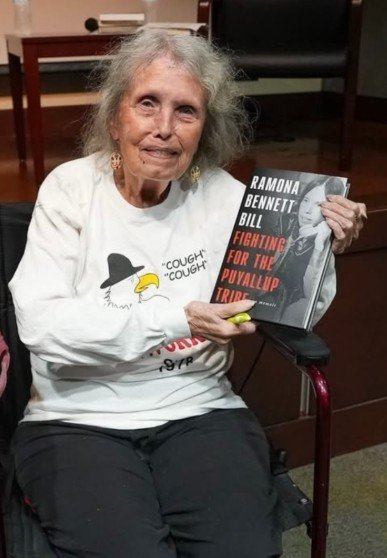
A relentless advocate for Native rights, Ramona Bennett Bill has been involved in the battles waged by the Puyallup and other Northwest tribes around fishing rights, land rights, health, and education for over six decades. This invaluable firsthand account includes stories of the takeover of Fort Lawton as well as events from major Red Power struggles, including Alcatraz, Wounded Knee, and the Trail of Broken Treaties. She shares her experiences at the Puyallup fishing camp established during the Fish War of the 1960s and 1970s, which led to the federal intervention that eventually resulted in the Boldt Decision. She also covers the 1976 occupation of a state-run facility on reservation land and the lobbying that led to the property’s return to the tribe.
Bennett Bill served for nearly a dozen years as a Puyallup Tribal Council member and ten as chairwoman, organizing social welfare, education, and enrollment initiatives and championing Native religious freedom. Her advocacy for Native children, especially those who had been adopted out of their community, helped pave the way for the Indian Child Welfare Act. Now in her mid-eighties, she continues to organize for Native rights and environmental justice. The book is full of vivid stories of her fearless testimony in courtrooms and press conferences on issues affecting Indian Country, and of the many friends and comrades she made along the way.
SPECIAL SCREENING: Thursday, 2/26, Time: 5PM
THE SNAKE AND THE WHALE
This award-winning investigative documentary explores the ongoing fight to remove four dams on the Snake River. At stake are Salmon and Steelhead runs, once among the greatest runs in the world, and the salmon-eating Southern Resident Orcas facing imminent extinction.
What is Native Education and Why Does It Matter?
In the first installment of our new video series, we asked educators and parents in our community what Native Education means to them.